
Quick Answer
A monitored fire alarm system is a smoke, heat, and CO detection system that reports to a professional monitoring center 24 hours a day, not only to a siren inside the house. When a sensor triggers, trained agents receive the signal within seconds and can dispatch the fire department to your address even if nobody in the home is awake, able to call, or present at all. The local siren still sounds exactly as it would on a standalone alarm.
NetSecure360 offers monitored fire alarm systems for Camp Hill and homeowners nationwide.
The Specific Gap Monitoring Closes
Smoke alarms work. According to the National Fire Protection Association, the death rate in home fires is roughly 60 percent lower in homes with working smoke alarms than in homes without them. Detection is not the weak link.
The weak link is response, and the timing data makes it specific. NFPA reporting shows that about half of home fire deaths result from fires reported between 11 p.m. and 7 a.m., even though only about one in five home fires happen during those hours. Fires at night are not more common. They are more often fatal.
That gap is not a hardware problem, and no better detector fixes it. An unmonitored alarm has done its entire job the moment it makes noise. Everything after that, waking up, orienting, getting everyone out, finding a phone, calling 911, depends on a person. Monitoring is simply a second path to the fire department that does not require that person to be awake, or home.
Monitored vs. Unmonitored: What Actually Differs
The sensors can be functionally identical. The difference is entirely in what the system does after detection.
| Capability | Standard Alarm | Monitored System |
|---|---|---|
| Local siren sounds | ||
| Alerts people already inside and awake | ||
| Sends an alert when nobody is home | ||
| Fire department dispatched without someone calling | ||
| Keeps working during an internet or power outage | ||
| Reports its own low battery or sensor fault to someone |
The Equipment in a Monitored Fire System
A monitored fire setup is three things working together: sensors that detect, a panel that transmits, and a monitoring center that responds. Here is the hardware NetSecure360 installs.
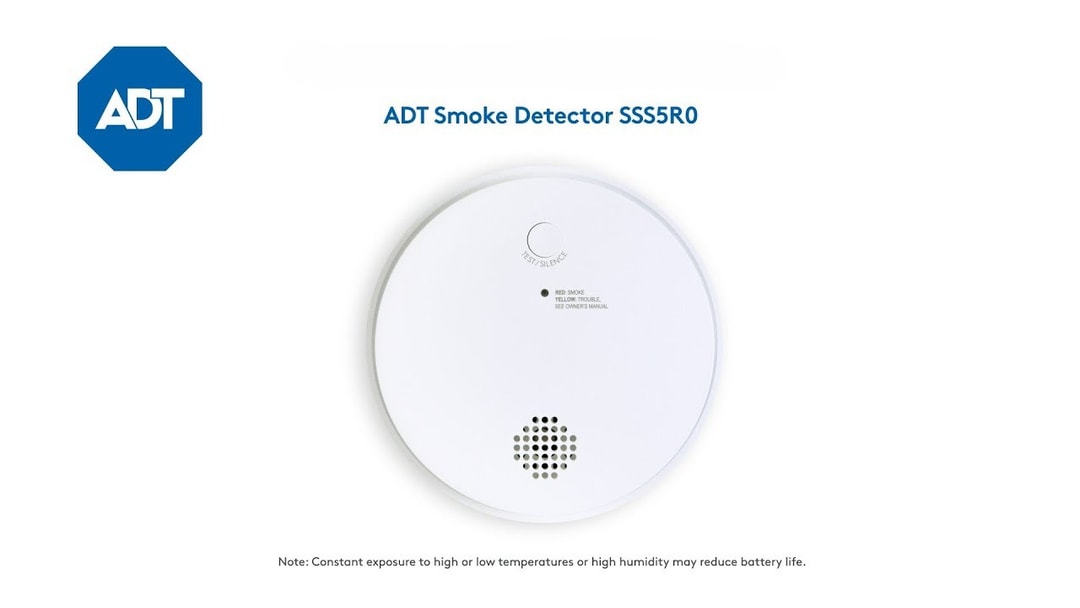
Smoke and Heat Sensor
Detects both slow smoldering fires (photoelectric sensing) and fast-flaming fires (rapid heat rise). Dual detection matters because those two fire types build at very different speeds.
View full specs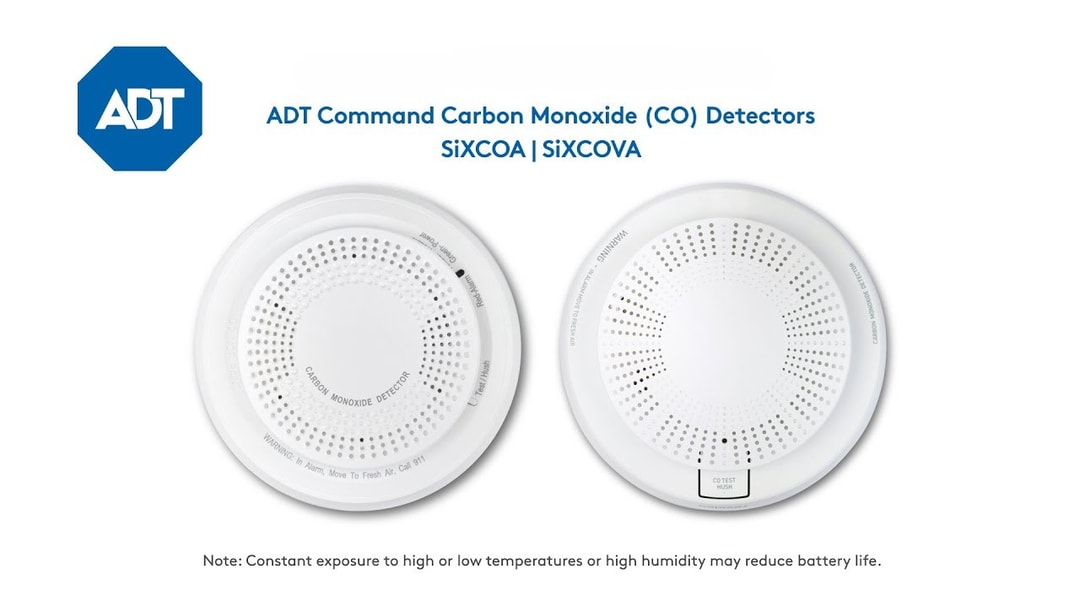
Carbon Monoxide Detector
Uses electrochemical sensing to measure CO concentration continuously. Carbon monoxide is colorless and odorless, so unlike smoke there is no unaided way to notice it before symptoms start.
View full specs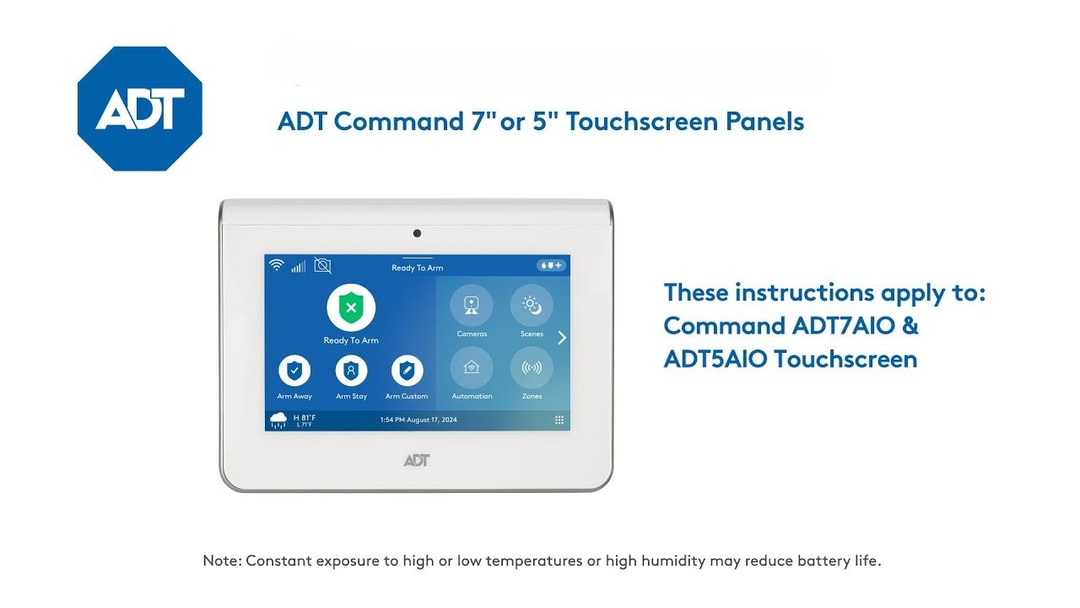
ADT Command Panel
The hub that turns a local alarm into a monitored one. It receives every sensor signal and transmits it to the monitoring center over dual cellular and Wi-Fi paths, with battery backup.
View full specsThe panel is the piece people tend to overlook. Sensors alone, however good, still only make noise. The panel is what carries the signal out of the building, which is why a monitored system keeps working during a power cut or an internet outage: it falls back to cellular with battery backup rather than going silent. You can see the full range on our fire and life safety page.
Not sure what your current alarms actually do?
A free consultation helps you sort out what you already have, what is monitored, and what is not. No obligation either way.
Get a Free QuoteWhen Is Fire Alarm Monitoring Required?
This is jurisdiction-specific, and worth checking rather than assuming. Monitoring is commonly required by local fire code for commercial buildings, multi-family residential properties, and certain new construction. For most single-family homes it is optional rather than mandated.
Two things are worth knowing even when it is not required. First, many homeowners insurance carriers offer a premium discount for a professionally monitored fire system, so the ongoing cost is partly offset; confirm eligibility with your own carrier since it varies. We break down the real discount ranges by carrier in what insurance companies actually offer for a monitored system. Second, in Pennsylvania, alarm registration rules are set by individual municipalities rather than the county or state, and some require you to register a monitored alarm. We cover that in detail in our guide to alarm permits in the Harrisburg area.
What Happens When It Triggers
The sequence is worth understanding before you need it. The sensor detects smoke, rapid heat rise, or CO and sounds locally at once. The panel transmits the signal to the ADT monitoring center over its cellular and internet paths. A trained agent receives it within seconds and attempts to contact you. If you confirm a false alarm, it is cancelled. If you cannot be reached, or the alarm is confirmed, the fire department is dispatched to your address. The full walkthrough of that process is in how home security monitoring works.
One practical note: a monitored system also reports its own faults. A low battery or a failing sensor becomes a signal someone actually sees, rather than a chirp in an empty hallway that gets ignored for weeks. If you are troubleshooting that right now, our guide to why a smoke detector beeps covers each pattern.
Frequently Asked Questions
What is a monitored fire alarm system?
A monitored fire alarm system is a smoke, heat, and carbon monoxide detection system that reports to a professional monitoring center 24 hours a day, not only to a siren inside the house. When a sensor triggers, the signal travels to trained agents who can dispatch the fire department to your address even if nobody in the home is awake, able to call, or present at all.
What is the difference between a monitored and non-monitored fire alarm?
A non-monitored alarm sounds locally and stops there. It depends on someone hearing it, waking up, and calling 911 themselves. A monitored alarm does the same local siren, and additionally sends the alert to a monitoring center that can dispatch emergency services independently. The detection hardware can be identical; what differs is what happens in the seconds after it triggers.
How does fire alarm monitoring work?
When a smoke, heat, or CO sensor detects a threat, it sends an encrypted signal to the system's control panel. The panel transmits that signal to the monitoring center over cellular and internet paths. A trained agent receives the alert within seconds, attempts to reach you, and dispatches the fire department if you cannot be reached or if the alarm is confirmed. Cellular backup means this works even during an internet or power outage.
When is fire alarm monitoring required?
Requirements vary by jurisdiction and building type. Monitoring is commonly required for commercial buildings, multi-family residential properties, and some new construction under local fire code. For most single-family homes it is optional rather than mandated, though some insurance carriers offer a premium discount for a professionally monitored fire system. Check with your local fire marshal or municipality for the rule at your address.
Does ADT monitor fire alarms?
Yes. ADT professional monitoring centers handle fire, smoke, heat, and carbon monoxide signals with the same priority as intrusion alarms, and can dispatch the fire department directly. NetSecure360 is an authorized ADT dealer that installs and services ADT-powered fire detection, so the equipment is installed locally while the monitoring runs through ADT's established center network.
Do monitored smoke detectors still sound an alarm in the house?
Yes. A monitored smoke detector sounds its local siren immediately, exactly like a standalone alarm, so anyone inside gets the same instant warning. The monitoring is an additional layer behind that, not a replacement for it.
Sources
- National Fire Protection Association, smoke alarm research, for the reduced death rate in homes with working smoke alarms and the overnight fire fatality timing.
- U.S. Fire Administration, national fire statistics, for annual residential fire and loss figures.
Find Out What Your Home Is Actually Covered For
NetSecure360 is your local authorized ADT dealer in Camp Hill, PA. We will walk your home, tell you what your existing alarms do and do not cover, and quote monitored fire protection only if it makes sense for you.
Serving Harrisburg, Camp Hill, and surrounding South Central PA communities.