
Quick Answer
The best smoke and CO protection uses UL 217 and UL 2034 listed sensors, photoelectric smoke technology and electrochemical CO sensing, interconnection between every unit in the home, and a clear end-of-life indicator. Whether that comes from one combo unit or two dedicated detectors matters less than getting those fundamentals right, and professional monitoring matters more than either, since it is the only option that gets help moving when no one is home to hear the alarm.
NetSecure360 offers professionally monitored smoke and CO detection for Harrisburg-area homeowners and nationwide.
Combo Unit vs Two Separate Detectors
This is the first real decision, and reasonable people land on both sides of it. Here is the honest tradeoff.
| What matters | Combo unit | Two separate detectors |
|---|---|---|
| Failure isolation | One failure affects both smoke and CO detection | Independent sensors, independent failure points |
| Mounting height | Compromise between ceiling (smoke) and 5 ft (CO) | Each sensor mounted at its own optimal height |
| Cost | One unit, one purchase | Two units, typically similar total cost |
| Replacement | Whole unit replaced when either sensor expires | Replace only the expired sensor type |
| Simplicity | Fewer devices to mount and track | More devices, clearer per-hazard status |
Neither option is wrong. A combo unit is a reasonable, code-compliant choice for a bedroom or hallway with one clear mounting spot. For a professionally monitored system, NetSecure360 typically installs dedicated smoke and CO sensors rather than a single combo device, specifically for the independent-failure-point benefit: if one sensor type ever needs service, the other keeps working without interruption.
5 Things That Actually Matter When Choosing
Skip the marketing copy on the box and check these five things directly.
UL 217 and UL 2034 listing
UL 217 is the safety standard for smoke alarms; UL 2034 is the standard for CO alarms. A combo unit should carry both listings on the label. This is non-negotiable, not a nice-to-have.
Sensor technology
Photoelectric smoke sensing catches smoldering fires faster and triggers fewer false alarms near kitchens. Electrochemical CO sensing is the accuracy standard for carbon monoxide. Avoid units that do not specify their sensor type.
Interconnection capability
Wireless or hardwired interconnection means one triggered unit sounds every unit in the home. Standalone-only detectors leave gaps in a multi-level house.
End-of-life indicator
A distinct chirp pattern or indicator light that signals the unit has reached the end of its rated life, separate from a low-battery chirp. Without this, homeowners often keep expired detectors in service by mistake.
Monitoring capability
Whether the unit can report to a professional monitoring center, either natively or through an integrated security panel, determines whether an alarm gets a response when no one is home to hear it.
Skip the guesswork
Get sensors matched to your home, not a store shelf.
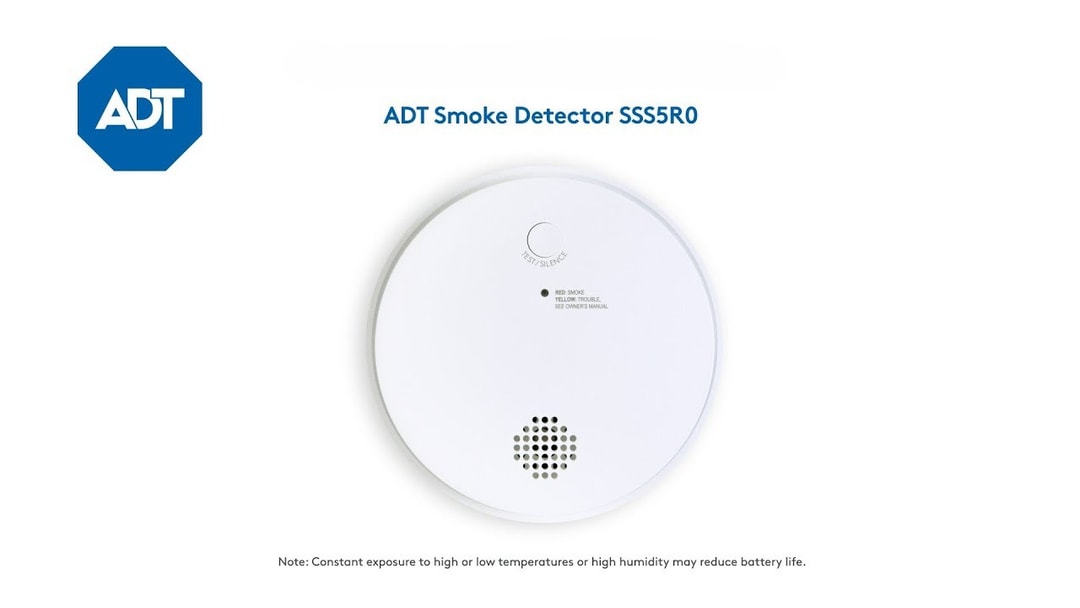
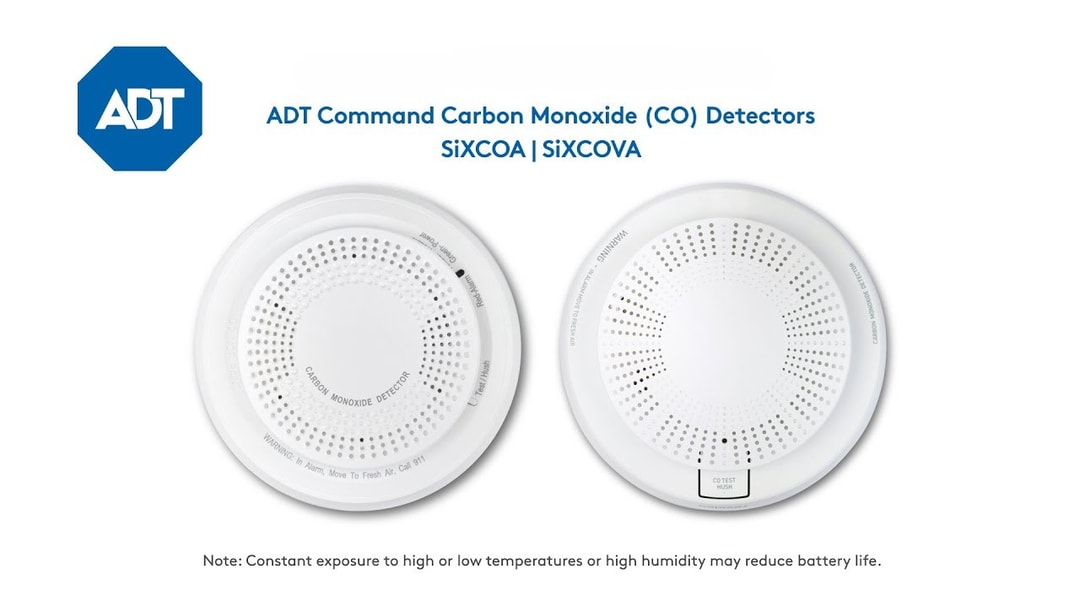
NetSecure360 offers ADT smoke and heat sensors and carbon monoxide detectors professionally monitored 24/7, so a triggered alarm reaches a real response team, not just a loud beep.
Monitored vs Battery-Only: The Upgrade That Matters Most
Every factor above assumes the detector works exactly as intended. The question that matters more is what happens after it triggers. A battery-only unit, no matter how good its sensors are, only reaches people who are physically present and awake to hear it.
A professionally monitored detector reports to a 24/7 monitoring center the moment it triggers. The center can attempt to contact you and dispatch emergency services automatically if you cannot be reached, whether you are asleep, at work, or traveling. For fire and CO events specifically, where every minute of delayed response matters, this is the single upgrade with the most real-world impact, more than any sensor specification on the list above.
Where a Combo Unit Works Well, and Where It Does Not
Good fit: bedrooms and hallways outside sleeping areas
One mounting point covers both hazards where NFPA 720 and NFPA 72 both require coverage anyway, and mounting height is a smaller compromise since neither smoke nor CO detection is significantly degraded by a mid-wall-to-ceiling position in these rooms.
Poor fit: near kitchens, garages, or gas appliances
Cooking smoke and appliance exhaust can trigger nuisance alarms on the smoke side, which trains households to ignore or disable the whole unit, including its CO function. Dedicated CO detectors placed correctly per NFPA 720 placement rules avoid this problem entirely.
Frequently Asked Questions
Is a combo smoke and CO detector as good as two separate detectors?
A quality combo unit that is UL 217 and UL 2034 listed detects both hazards reliably. The tradeoff is that if one sensor fails or reaches end of life, you lose both functions on that unit until it is replaced. Two separate dedicated detectors give you independent failure points, which is why many professionally monitored systems use dedicated smoke and CO sensors rather than a single combo unit.
What is the difference between photoelectric and ionization smoke sensors?
Photoelectric sensors respond faster to smoldering, smoky fires (couch cushions, electrical fires) and are less prone to cooking-related nuisance alarms. Ionization sensors respond faster to flaming fires with little smoke. The NFPA recommends dual-sensor smoke detectors that combine both technologies, or photoelectric units placed away from kitchens, for the best balance of speed and fewer false alarms.
Do smoke and CO detectors need to be interconnected?
Interconnection means every detector in the home sounds when any one triggers, which is required by code in most new construction and strongly recommended for existing homes with more than one level. A professionally monitored system takes this further: every sensor also reports to the monitoring center, not just to the other alarms in the house.
How long do smoke and carbon monoxide detectors last?
Smoke detectors have a service life of about 10 years from the manufacture date, per NFPA guidance. Carbon monoxide detectors with electrochemical sensors last 5 to 7 years per UL 2034. The manufacture date is printed on the back of the unit. Once a detector passes its rated life, replace it even if it still appears to function, since the sensing element degrades chemically over time.
Should I buy a monitored or battery-only smoke and CO detector?
A battery-only detector only alerts people who are home and awake to hear it. A monitored detector reports to a 24/7 monitoring center that can dispatch fire or emergency services automatically, whether you are home, asleep, or away. For households that travel, have young children, or want a response even if no one hears the alarm, monitored detection is the meaningful upgrade.
Sources
- 1. UL 217: Standard for Smoke Alarms (sensor and listing requirements)
- 2. UL 2034: Standard for Single and Multiple Station Carbon Monoxide Alarms (sensor life, listing requirements)
- 3. NFPA 72 / NFPA 720: National Fire Alarm and Signaling Code; Standard for Carbon Monoxide Detection and Warning Equipment
Get Detectors Chosen and Placed Correctly, Not Guessed At
NetSecure360 is an authorized ADT dealer. We offer professionally installed smoke, heat, and carbon monoxide detection, monitored 24/7 through ADT, so every trigger reaches a real response team, day or night.