
Quick Answer
Most Pennsylvania single-family homes need 3 to 6 cameras: one doorbell camera at the front entry, one to two indoor cameras covering main living areas, and one to three outdoor cameras covering the driveway, backyard, and any additional entry points. Apartments and townhouses typically need fewer, often just a doorbell camera plus one indoor unit. The right number comes from your home's actual entry points and blind spots, not a marketing bundle size.
How Many Cameras Does a Typical Pennsylvania Home Need?
Camera count scales with entry points, not square footage. A large open-plan home with one door and no side access can need fewer cameras than a smaller home with a driveway, a side gate, and a walkout basement. Use home type as a starting point, then adjust for your actual layout.
Apartment or Townhouse
2 to 3 camerasOne doorbell camera at the front entrance, plus one indoor camera covering the main living area. Add a second indoor unit if there is a back entry or a second floor.
Single-Family Ranch or Colonial
4 to 5 camerasOne doorbell camera, one to two outdoor cameras for the driveway and backyard, and one to two indoor cameras for the main living area and a secondary entry point.
Larger, Multi-Story, or Corner-Lot Home
6 or more camerasEverything above, plus additional outdoor coverage for side yards, multiple street-facing sides, or a detached garage, and often a second indoor camera for an upstairs common area.
Room-by-Room Camera Placement
Three roles cover almost every home: watching who approaches, watching the interior, and watching the property. Here is the hardware behind each role.
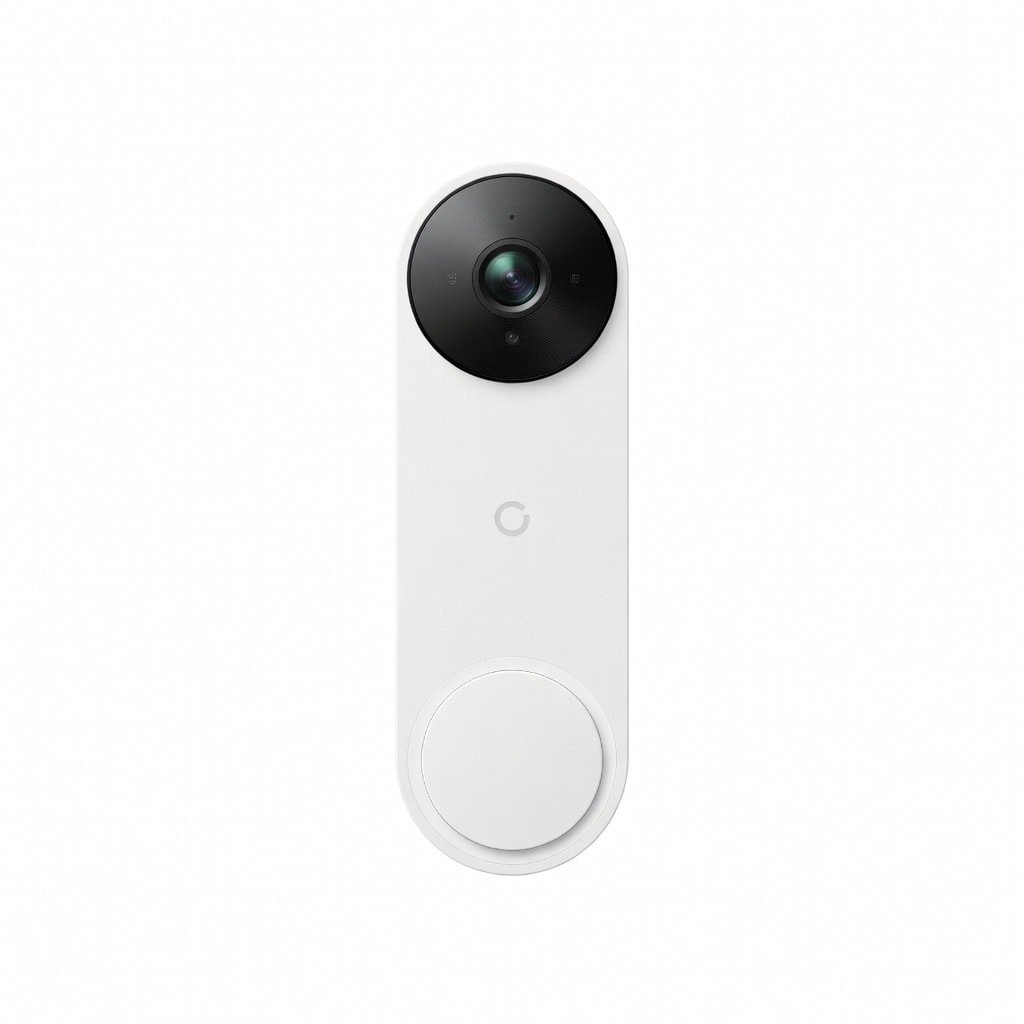
Front Door / Entry
The single highest-value placement in the house. A doorbell camera sees every visitor, delivery, and approach at eye level, right where a large share of break-ins are attempted first.
View full specs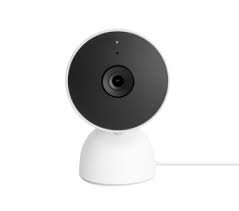
Indoors / Main Living Areas
Covers what a doorbell camera cannot: a back door, a stairway, or the room a secondary entry opens into. It is also the camera most homeowners check first for a package delivery or a pet.
View full specsOutdoor / Driveway & Yard
Weatherproof coverage for the driveway, backyard, and any side or rear entry a doorbell camera does not reach. We do not have a product photo online for this one yet, view the full specs on the product page below.
View full specsIndoor vs. Doorbell vs. Outdoor Cameras: What Each One Actually Covers
These three camera types are often sold as one bundle, but they solve different problems. A doorbell camera answers "who is at the door." An outdoor camera answers "who is on the property," covering the driveway, yard, and any side or rear entry before someone reaches a door at all. An indoor camera answers "what is happening inside," which matters once someone is already past the perimeter, or simply for checking on the house during the day. A complete setup uses all three because each one covers a gap the others cannot. For the deterrence side of that question, meaning whether a visible camera actually stops a break-in attempt before it starts, see our breakdown of whether security cameras deter crime.
Common Camera Placement Mistakes
More cameras do not fix a bad angle. These four mistakes show up constantly, even on setups with plenty of hardware.
Aiming at the street instead of the walkway
A camera angled to catch passing cars misses the one path that actually matters: the route from the sidewalk to your door.
Mounting too high to capture faces
A camera mounted purely for a wide, cinematic view often ends up too high to capture a usable, identifiable face. Eye level to slightly above beats a rooftop angle.
Only covering the front door
A visibly covered front door does not stop a break-in attempt, it moves it. Side doors, sliding doors, and ground-floor windows need coverage too.
Indoor cameras aimed at windows
Daylight and headlights blow out the exposure and create glare, and it raises an unnecessary privacy question for anyone visible through the glass. Aim indoor cameras at doorways and hallways instead.
Not sure how many cameras your home actually needs?
A free consultation walks through your entry points and gives you a placement plan, not a generic bundle size.
Get a Free QuotePennsylvania-Specific Placement Considerations
A covered porch or overhang is worth prioritizing for any outdoor camera in this climate. It keeps snow and rain off the lens, and it cuts the glare a low winter sun throws directly into an east- or west-facing camera. Angle outdoor cameras slightly downward rather than level with the horizon during the winter months, when the sun sits lower in the sky for longer. For the full breakdown of weatherproofing ratings and which cameras actually hold up through a South Central PA winter, see our guide to the best security cameras for Pennsylvania weather.
Frequently Asked Questions
How many cameras do I need for a 3-bedroom house?
A typical 3-bedroom single-family home in South Central PA needs 4 to 5 cameras: one doorbell camera at the front entry, one to two outdoor cameras covering the driveway and backyard, and one to two indoor cameras covering the main living area and any secondary entry point, such as a back door or attached garage.
Do I need both outdoor and indoor cameras?
Most single-family homes benefit from both. Outdoor cameras deter and capture someone approaching the property; indoor cameras cover what a doorbell or driveway camera cannot see, including a back door, a main living area, or a second entry point once someone is already inside the yard. An apartment or single-entrance townhouse can often start with just a doorbell camera and one indoor unit.
Where should I NOT put a security camera?
Never point a camera into a bathroom or bedroom, your own or a neighbor's. Avoid aiming a camera directly at a neighboring window or private yard, which raises real privacy concerns and, in some cases, legal ones. Also avoid positions that face directly into the rising or setting sun, since the glare washes out the footage exactly when you need it.
Is one doorbell camera enough?
For an apartment or small home with a single entrance, a doorbell camera alone is a reasonable starting point. For most single-family homes it is not, since it leaves the back door, side yard, and driveway uncovered. Our research on camera deterrence found that visible coverage changes burglar behavior; a single covered entry point simply pushes that risk to the uncovered one.
Get a Placement Plan Built for Your Actual Home
NetSecure360 is your local authorized ADT dealer in Camp Hill, PA. We will walk your property, count the real entry points, and quote exactly the cameras you need, not a package built for someone else's floor plan.
Serving Harrisburg, Camp Hill, and surrounding South Central PA communities.